
Cottingham Technical Services · dry grains, powders & spent grains
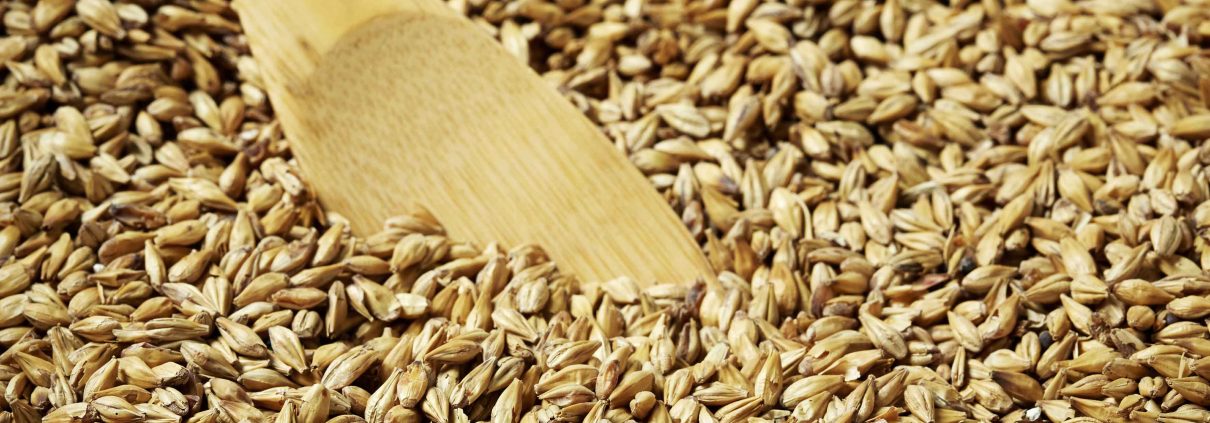
Grain in at the top. Grist out at the bottom.
CTS design, build, install and recondition the plant in between — malt mills, conveyors, silos, grist cases and spent grain handling, out of 201 Hallgate in East Yorkshire.
- ATEX / DSEARaudits, gap analysis, classification
- Turnkeyconcept study to installation
- Sparesmills, conveyors and elevators
01 — The flow
Six stages, one continuous line.
Grain arrives at one end and leaves as grist at the other. Every product and every service CTS sell sits somewhere on that line — which is why the catalogue reads as a plant rather than a list.
-
01
Intake
Bulk bags or grain, discharged at a rate the line can take.
-
02
Store
Held dry, and drawn down in the order the mill needs it.
-
03
Mill
Crushed between rolls — or ground in a hammer mill.
-
04
Convey
Moved between stages without breaking what it has just become.
-
05
Automate
Controlled, integrated, and written down.
-
06
Comply
Assessed for dust, classified, and documented.
02 — Products
A catalogue that reads as a plant.
Each item below is a stage of the same line. Capacities are not quoted here, because they depend on the plant they are going into — that is what the concept study is for.
| Product | What it does | Handles |
|---|---|---|
| CTS Malt Mill / Cereal Mill | Crushes malt and cereal to grist between two rolls. | Malt, cereals |
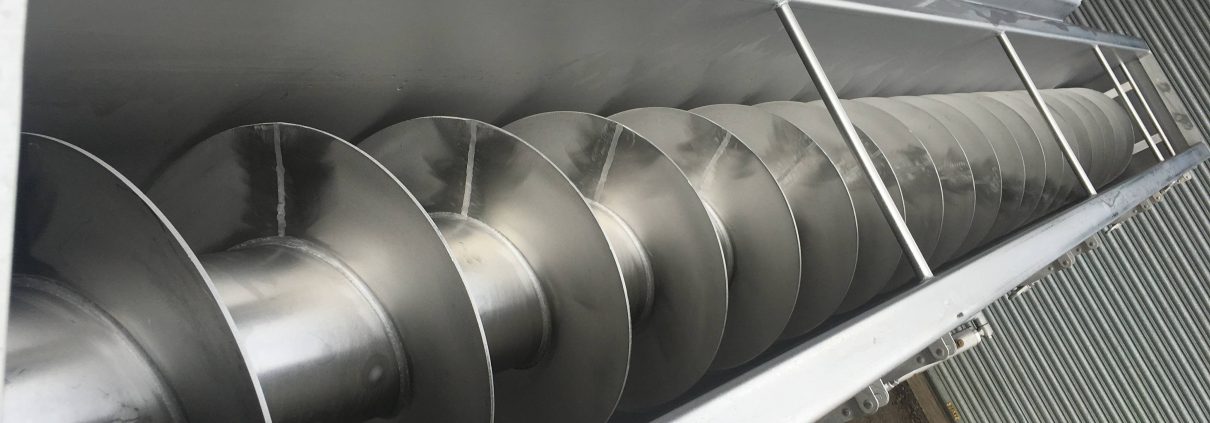
| Specialist Conveyors | Screw, chain and belt conveyors, elevators and pneumaveyors. | Grain, grist, spent grain |
| Big Bag Frames | Hold a bulk bag steady while it discharges. | Bagged malt, grain, powders |
| Grain Silos | Bulk grain held ahead of the mill. | Grain |
| Grist Cases | Hold the crushed grist ready for the next stage. | Grist |
| Malt Bins | Day bins between storage and milling. | Malt |
| Spent Grain / Draft Silos | Collect the draff as it comes off the mash. | Spent grain (draff) |
| Spent Grains Transfer | Moves wet draff out to the silo or the trailer. | Spent grain (draff) |
| Automation & Integration | Controls and integration across the whole line. | The line, end to end |
| Asnong Hammer Mills | Hammer mills, supplied through CTS. | Grain, cereals |
Storage covers the silos, bins and cases between intake and the mill — see the storage page.
Standard dust definitions. The drawing is a generic mill, not a survey — a real classification comes from the site.
03 — Compliance
Dust is the hazard. The classification is what keeps it controlled.
Grain dust explodes. Anything that holds, moves or mills dry grain has to be assessed for it — and the people who draw the plant are the people who can write the assessment. CTS do both.
- ATEX DSEAR audits / upgrade
- DSEAR gap analysis
- Hazardous area classification
- Inspection of equipment in hazardous areas
- Non-electrical equipment risk assessment
- LEV audits
04 — Services
The same team, from the first sketch to the last spanner.
CTS have their own installation engineers, and they will install plant of their own manufacture as readily as somebody else's. The work starts before the drawing and does not stop at handover.
- 01 Technical services The day-to-day engineering behind a working plant.
- 02 Engineering consultancy An outside read on a process that is not working, or is about to change.
- 03 Concept studies What the plant has to do, and what it would take, before anything is bought.
- 04 Turnkey solutions One contract for the whole line, rather than five that have to meet.
- 05 Process documentation The drawings, schedules and records that outlive the installation.
- 06 Mill reconditioning Rolls, bearings and frames brought back to a working gap.
- 07 Installation Mechanical installation by their own engineers — theirs or anybody's plant.
- 08 Fabrication Bespoke steelwork for the parts no catalogue covers.
- 09 Spares Screw and chain conveyors, elevators, mills, dischargers, screens, classifiers.
05 — The works
201 Hallgate, Cottingham.
The office and works are in Cottingham, East Yorkshire — a few miles west of Hull. Mills, conveyors, bins and silos are built and reconditioned to suit the plant they are going into, and the same team that builds them does the installation.
- Address
- 201 Hallgate, Cottingham,
East Yorkshire HU16 4BB - Telephone
- +44 (0) 1482 847697
06 — Contact
Tell us what the plant has to do.
A mill, a silo, a conveyor, a recondition — or a line that needs auditing before anything else happens. Ring and describe it. The answer usually starts with a conversation rather than a catalogue.
- Works & office
- 201 Hallgate
Cottingham
East Yorkshire
HU16 4BB - Telephone
- +44 (0) 1482 847697
- Products
- The full product list